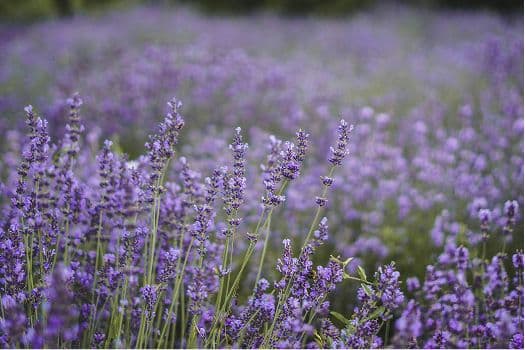
Lavender choice
Introduction
Lavender (Lavandula angustifolia) is one of the most popular and recognisable aromatic plants in the world. Its delicate violet flower and unmistakable soothing scent have for centuries been synonymous with relaxation, balance and natural care. In this article you will discover why lavender truly is the choice for any lover of natural products.
A short history of lavender
Lavender originates from the Mediterranean region, and its name comes from the Latin word lavare — to wash. The ancient Romans already added it to their baths and used it to perfume their linens. In the Middle Ages it served as protection against illness and as a natural disinfectant, while today it is grown across the fields of France, Bulgaria and the Adriatic coast, where it thrives on sunny, well-drained limestone soils.
Why lavender — the main benefits
Lavender is not a favourite by chance — its versatility makes it indispensable in the home, in cosmetics and in aromatherapy.
- Calm and quality sleep — linalool and linalyl acetate in the essential oil have a soothing effect on the nervous system.
- Stress and anxiety relief — inhaling lavender reduces cortisol levels.
- Skin care — helps with minor burns, insect bites, acne and mild irritations.
- Headache relief — a gentle temple massage with diluted oil can ease tension.
- Natural repellent — moths and mosquitoes dislike its scent.
- Aromatic refreshment of the home — dried flowers and oil keep rooms pleasantly scented for days.
How to recognise quality lavender
Not all lavender is the same. When choosing a product, pay attention to:
- Latin name — Lavandula angustifolia (true lavender) is the most prized species.
- Origin — Mediterranean regions, especially the island of Hvar, Provence and the Bulgarian highlands, produce top-quality aromas.
- Colour and scent — the oil should be clear, slightly yellow and have a soft, sweet, herbal scent.
- Production method — steam distillation preserves the largest share of beneficial compounds.
- Certificates — look for organic farming labels and confirmation of 100 % purity.
Ways to use lavender
Lavender fits effortlessly into everyday life:
- Diffuser — 3 to 5 drops of oil in the evening prepares the room for restful sleep.
- Pillowcase — a drop of oil or a sachet of dried lavender supports better sleep.
- Bath — a few drops mixed with sea salt or milk relax the muscles.
- Massage — dilute in a carrier oil (such as almond oil) for a calming massage.
- Kitchen — dried flowers feature in teas, cakes and Mediterranean spice blends like herbes de Provence.
Safety and precautions
Although considered one of the safest essential oils, lavender should still be used with awareness:
- Always dilute the oil before applying it to the skin.
- Pregnant and breastfeeding women should consult a doctor before use.
- Young children can be sensitive — use very low concentrations.
- Pets (especially cats) can be sensitive to essential oils — diffuse moderately and in a ventilated space.
Frequently asked questions
Can lavender really help with insomnia? Yes. Numerous studies confirm that inhaling lavender oil before bedtime extends the deep-sleep phase and reduces night-time awakenings.
How long does dried lavender last? Stored in a dry, dark place, dried flowers keep their fragrance for up to two years.
What is the difference between lavender and lavandin? Lavandin (Lavandula × intermedia) is a hybrid with a higher yield and a stronger, more camphoraceous scent. True lavender is gentler and more valued therapeutically.
Conclusion
Lavender is more than just a flower — it is a symbol of peace, health and natural beauty. Whether you use it for better sleep, to calm the mind, or as part of your daily skincare routine, this versatile plant has something to offer everyone. Choose quality, locally grown lavender and let its scent become part of your everyday life.